Can interlocutors lead our Research? Co-animation as Collaborative Practice in Colonial Afterlives
- Start date
- 22 September 2026
- End date
- 23 September 2026
- Time
- 10:30
- Room
- B5.12

Combining lectures, collective sharing, case studies, and hands-on stop-motion animation, participants will critically reflect on colonial afterlives in research while experimenting with collaborative knowledge production. By the end of the workshop, participants will have created a short stop-motion animation and explored how co-animation might inform their own research practice.
Colonial afterlives refer to the persistence of epistemic, institutional, and ethical frameworks established during colonial rule, which continue to shape contemporary practices of education, development, and academic research (Stoler, 2016). To expose and challenge these colonial afterlives in research, anthropologists have begun to experiment with collaborative and interlocutors-led practices that seek to rethink how research is designed, conducted, and represented.
Co-animation as a collaborative research practice
Drawing on a case study of co-animation research with the Orang Rimba in Indonesia, a community whose contemporary realities continue to be shaped by the enduring legacies of Dutch colonialism, this workshop introduces co-animation as a collaborative research practice. While grounded in Indonesia's Dutch colonial history, the case invites broader reflection on how colonial afterlives continue to shape research relationships, knowledge production, and representation across postcolonial contexts. Through this workshop, we explore how collaborative storytelling can contribute to more ethical and reciprocal ways of producing knowledge.
Create a short stop-motion animation
We invite researchers who have engaged in, or wish to explore creative and collaborative research practices with their interlocutors (or interlocutors-led approaches) to exchange experiences and learn from one another, approaching these collaborations not merely as methods, but as epistemological practices for building meaningful and ethical research infrastructures. Participants will be introduced to co-animation and have the opportunity to create a short stop-motion animation rooted in their own research.
About the speakers
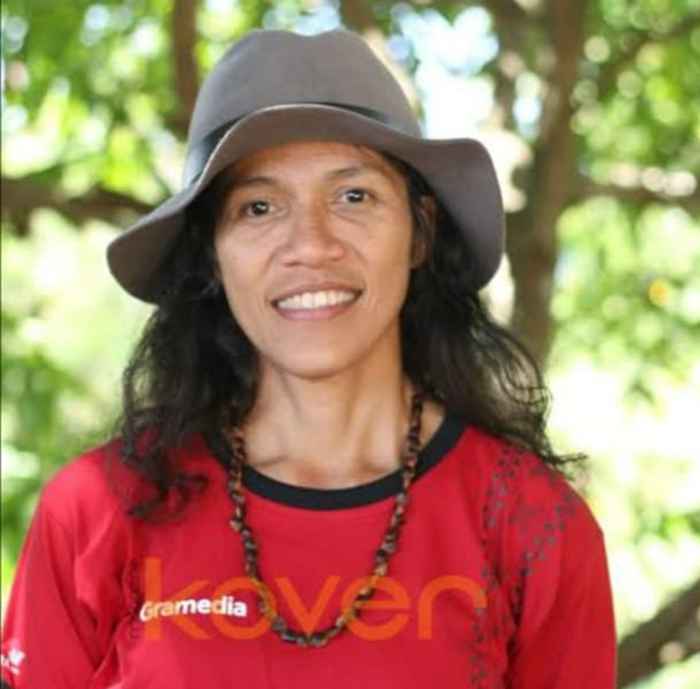
Butet Manurung is a PhD Candidate in Anthropology at the University of Amsterdam and co-founder of Sokola Institute, a pioneering Indonesian organization for community-based education established in 2003. Sokola has benefited more than 15,000 people and was awarded the UNESCO Confucius Prize for Literacy in 2024. Butet is a recipient of the Ramon Magsaysay Award for her contributions to Indigenous education. For over 25 years, she has worked alongside Indigenous communities to develop participatory education and collaborative research. Her doctoral research explores co-animation as a collaborative ethnographic method for knowledge co-creation with Orang Rimba communities in Sumatra.
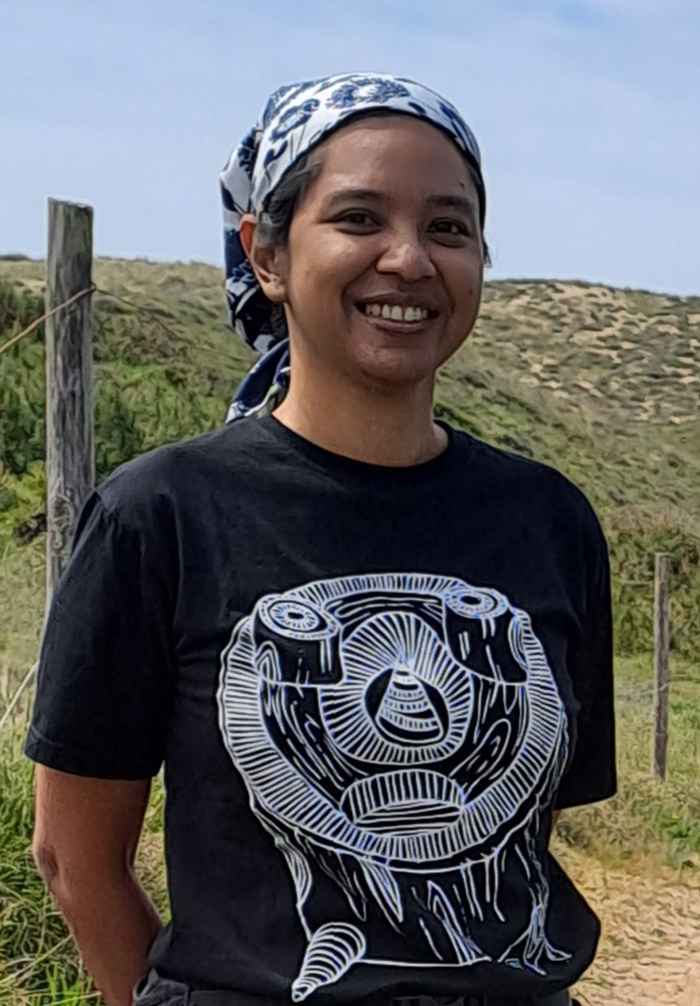
Fadilla Mutiarawati is a PhD Candidate in Educational Sciences at the University of Oulu and a researcher at Sokola Institute, Indonesia. Her doctoral research explores teacher agency and epistemic justice through participatory action research with the Marapu Indigenous communities in West Sumba. She has facilitated over 100 school teachers across Indonesia to conduct research with local communities and co-create locally grounded teaching materials. With over 20 years of experience, she has also contributed to curriculum development and Indigenous education policy as a consultant to Indonesia’s Ministry of Education and Culture.
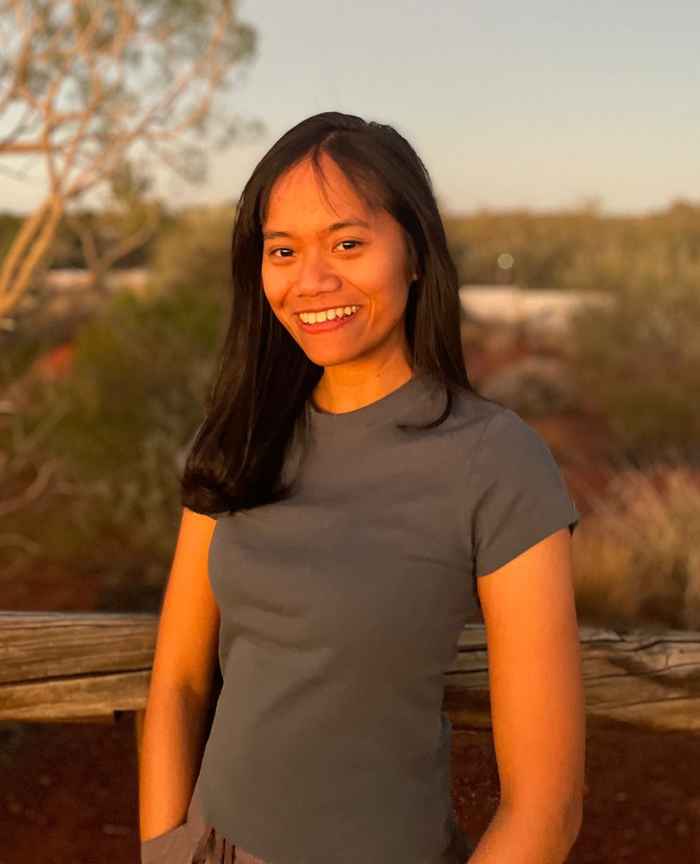
Alberta Prabarini holds a Master’s degree in Anthropology and Planetary Futures from the Australian National University and is Research and Campaign Manager at Sokola Institute. Her work focuses on Indigenous education, participatory research, and multimodal storytelling. During Butet Manurung’s 2023-2024 doctoral fieldwork with the Orang Rimba in Sumatra, she worked as a research assistant, animator, and facilitator, helping to develop co-animation as a collaborative ethnographic methodology.
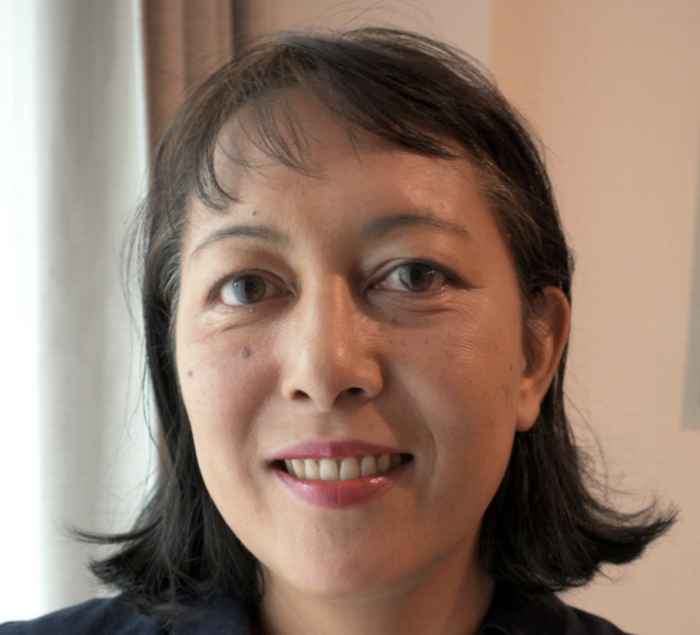
The workshop will be moderated by Yatun Sastramidjaja, Associate professor in Dept Anthropology, UvA. A sociocultural anthropologist by training, her work is grounded in political anthropology with interdisciplinary and transdisciplinary orientations. My recent research has focused on the interplay between repression, resistance, and resilience in a world where power, politics, and struggle move into the cybersphere, with real-world effects.