ACES Summer School
Deepening Environmental and Social Justice
- Start date
- 29 June 2026
- End date
- 2 July 2026
- Location
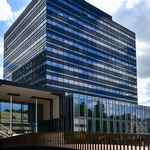
- Roeterseilandcampus - building A
- Room
- REC A 3.15

The climate crisis affects different groups of people in very different ways. The benefits from the emissions that cause the climate crisis are very disproportionally distributed. So are the impacts of the climate crisis. Largely but not exclusively because of these disproportionate distributions, the transition away from fossil fuels produces winners and losers. The distributive effects of both climate impacts and climate action typically reinforce existing vulnerabilities. In the European Union, societal and political debates about these effects and their fairness only begin to take shape. These debates increasingly involve legal contestation and mobilization around questions of fairness, responsibility, and justice.
Role of law
This summer school focuses on the role of law in these exchanges. Some take the form of reasoned discussions aimed at reaching shared understandings and common solutions (deliberation), an example would be committee discussions in the European Parliament. Others involve struggles over interests and outcomes (negotiation), a typical example would be international treaty-making. Law structures and shapes both types of processes. Legislation and (climate) litigation, in particular, provide key arenas in which claims about responsibility, distribution, and justice are articulated and contested. Their importance is likely to grow further with, even with the dramatically weakened implementation of the EU’s Green Deal. If anything, the continued expansion of climate litigation before national and European courts will continue to raise questions about responsibility for economic losses and damages resulting from both climate impacts and climate action.
What we offer
We offer an exciting programme of substantive and interactive lectures; discussions; a group-work discovery session, ending with presentations; and social networking moments. The summer school is ‘co-led and taught’ by invited external speakers and staff working on climate and justice matters at the University of Amsterdam.
How to register
Registration is open to PhD researchers and LLM students (limited capacity for the second group). We will register on a first come first serve basis and maintain a waiting list. We expect that participants who commit show up and commit to the whole programme. We have a limited number of scholarships supporting travel, which we will allocate based on a convincing statement of need and commitment.
Please register with a brief motivation why you wish to participate (max. 200 words).